

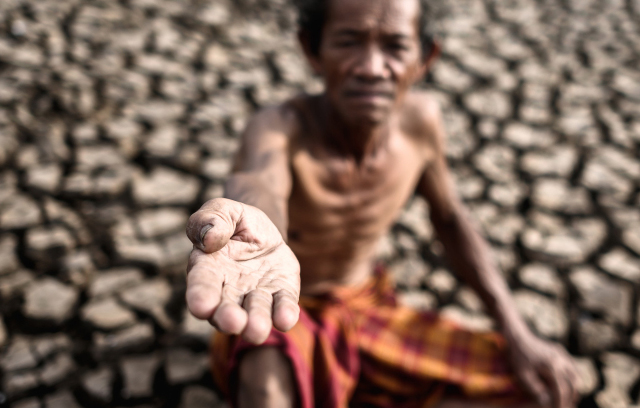
The global hunger crisis 2026 is unfolding against a backdrop of escalating conflict, worsening drought, and rapidly declining humanitarian aid. Conflict, drought, and falling support will keep hunger at critically high levels this year. Moreover, food insecurity is expected to worsen in some of the world’s most vulnerable countries. According to Reuters, these findings come from the “Global Report on Food Crises 2026.”
A Decade of Worsening Acute Hunger: Key Findings of the Report
The tenth edition of this monitoring report was prepared by a coalition of development and humanitarian organizations. It notes that acute hunger has doubled over the past decade. Furthermore, last year, for the first time in the report’s history, two famines were officially declared: in Gaza and Sudan.
Last year, 266 million people in 47 countries and territories faced high levels of acute food insecurity. In addition, 1.4 million people were in catastrophic conditions in parts of:
- Haiti
- Mali
- Gaza
- South Sudan
- Sudan
- Yemen
In 2025 alone, 35.5 million children worldwide suffered from acute malnutrition. Nearly 10 million of them faced severe malnutrition. These numbers underline the scale and depth of the crisis.
Global Hunger Crisis 2026: Only Haiti May Escape the Worst Category
As for the current year, the report notes that the crisis remains critical. Only Haiti is likely to emerge from the worst, catastrophic category. This improvement is thanks to some gains in security and increased humanitarian assistance. However, for the vast majority of affected countries, the outlook remains deeply troubling.
“We are no longer seeing just temporary shocks. These are now long-term, systemic shocks,” said Alvaro Lario, head of the UN International Fund for Agricultural Development (IFAD), who contributed to the report.
According to him, the main conclusion is that food insecurity is no longer an isolated problem but is putting pressure on global stability. Consequently, the crisis demands a systemic rather than emergency-only response.
War, Drought, and Aid Cuts Deepen the Food Emergency
The US-Israeli war against Iran has exacerbated concerns. Therefore, energy and fertilizer supply chains now face additional strain. Lario warned that prolonged disruptions in energy and fertilizer trade could spill over into global food markets and exacerbate hunger in countries already dependent on imports that are experiencing a crisis.
“Even if the conflict in the Middle East ends now, we know that food price shocks and inflation will persist for the next six months,” he said.
Even before the additional pressure from war, West Africa and the Sahel region are likely to remain heavily impacted by conflict and persistent inflation. This applies particularly to Nigeria, Mali, Niger, and Burkina Faso. Nigeria, in particular, is projected to experience one of the largest increases in food insecurity in 2026. An additional 4.1 million people could face acute hunger.
In East Africa, meanwhile, poor rainfall is expected to exacerbate the crisis in Somalia and Kenya. There, drought, instability, high food prices, and reduced humanitarian aid are all worsening the situation simultaneously.
Furthermore, the report warns that humanitarian and development funding for the food sector has declined sharply in 2025 and is likely to decline further. Humanitarian food aid funding is estimated to have fallen by around 39% last year compared to 2024. Development aid, moreover, is estimated to have fallen by at least 15%. Together, these funding cuts threaten to undo years of progress and deepen the already severe food emergency in the most fragile regions of the world.
Source: Ukragroconsult (Ukraine)