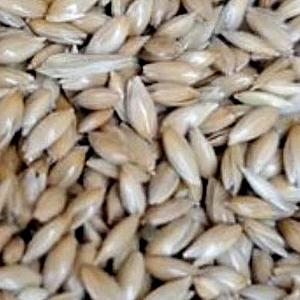
Introduction to Canary Seeds: A Brief Overview
A quiet revolution is unfolding across the vast, sun-drenched fields of Eastern Europe. Amid the more familiar crops of wheat, barley and corn, a small but mighty seed is gaining prominence: Canary Seed. Long prized for its nutritional value and versatility, this humble grain is quickly becoming a staple crop in Russia, Kazakhstan, Ukraine and beyond. With its rich history, impressive health benefits and adaptability to challenging climates, Canary Seed is poised to transform the region’s agricultural landscape. As we delve into the world of Canary Seed, we explore its fascinating history, the driving forces behind its rising popularity and the limitless opportunities it offers farmers, traders and consumers alike. From the rolling steppes of Russia to the fertile plains of Ukraine, join us on a journey to discover the remarkable story of Canary Seed’s rise to prominence in Eastern Europe.
The history of canary seed in Eastern Europe and the former Soviet Union
The history of canary seed in Eastern Europe and the former Soviet Union is rich and fascinating, woven from threads of agricultural innovation, cultural exchange and economic necessity. The region’s fertile steppes and favorable climate have made it an ideal breeding ground for a variety of crops, including canary seed, for centuries. The earliest documented cultivation of canary seed in Eastern Europe dates back to the 16th century, when it was introduced by European traders and settlers who brought with them their knowledge of Western agricultural practices.
As the Russian Empire expanded its borders, canary seed became a staple crop in many rural areas, particularly in Ukraine and southern Russia, where the fertile black soil and temperate climate made it an ideal crop for small farmers. The seed’s versatility and nutritional value made it a popular choice for both human consumption and animal feed, and it quickly became an integral part of the region’s agricultural landscape.
In the Soviet era, canary seed production was further encouraged by government policies to improve food security and self-sufficiency. To encourage the growth of canary seed and other crops, government-controlled farms and collective agricultural enterprises were established, and the seed’s popularity continued to grow throughout the region.
Today, the legacy of canary seed in Eastern Europe and the former Soviet Union continues to shape the region’s agricultural industry, with Russia, Kazakhstan and Ukraine becoming major players in the global canary seed market. As demand for this versatile and nutritious crop continues to grow, it is clear that the story of canary seed in Eastern Europe is a story still being written.
The Rise of Canary Seed in Russia: Market Trends and Insights
Russia, the world’s largest country by area, has seen a significant increase in demand for canary seed in recent years. This trend is largely due to the growing popularity of bird keeping as a hobby, especially among the urban population. As a result, the Russian canary seed market has seen a significant increase in sales, with a significant increase in the number of bird owners looking for high-quality seed products.
According to market research, the Russian canary seed market is expected to continue its upward trend, driven by factors such as rising disposable incomes, growing awareness about the importance of pet bird nutrition, and an increasing number of pet shops and online retailers catering to bird lovers. In addition, the Russian government’s initiatives to promote domestic agriculture and reduce dependence on imports have created opportunities for local farmers to grow canary seed, further boosting the market growth.
Interestingly, the demand for canary seed in Russia is not limited to ornamental birds. The seed is also used to produce animal feed, especially for poultry and livestock, which has contributed to the overall growth of the market. In addition, the country’s geographical location and climate make it an ideal location for canary seed production, as many regions have suitable conditions for large-scale cultivation. As the market continues to develop, Russia is likely to become a significant player in the global canary seed industry.
Kazakhstan’s canary seed boom: factors contributing to its growth
As the world’s attention shifts to the vast, fertile lands of Eastern Europe, Kazakhstan stands out as a beacon of success in the canary seed industry. This Central Asian country has experienced an unprecedented increase in canary seed production, catapulting it to the top of global suppliers. But what factors have contributed to this remarkable growth?
A key factor is the country’s favourable climate, with its vast steppes and temperate regions providing an ideal environment for canary seed cultivation. The government’s agricultural policies have also played a crucial role, with initiatives to modernise farming practices, invest in infrastructure and provide subsidies to farmers. In addition, Kazakhstan’s strategic location, bordering both Russia and China, has facilitated the smooth trade and export of canary seed to these vast markets.
In addition, the country’s investments in agricultural research and development have led to the introduction of high-yielding, disease-resistant canary seed varieties, resulting in a significant increase in production and quality. The growth of local processing facilities has also enabled Kazakhstan to move up the value chain and produce high-quality canary seed products that are in high demand worldwide.
The confluence of these factors has seen Kazakhstan’s canary seed industry experience a remarkable boom, with production volumes and exports reaching unprecedented levels. As the industry continues to grow, it is clear that Kazakhstan will remain a major player in the global canary seed market for years to come.
The emerging canary seed market in Ukraine: opportunities and challenges
Ukraine, with its vast plains of fertile black soil, has long been known as the breadbasket of Europe. In recent years, however, the country has been quietly cultivating a new crop that is becoming increasingly popular: canary seed. As global demand for bird food continues to rise, Ukraine’s emerging canary seed market is poised to capitalize on this trend. With its favorable climate, fertile soils and proximity to European markets, Ukraine is well positioned to become a major player in the canary seed industry.
However, the Ukrainian canary seed market is not without challenges. The country’s agricultural sector still struggles with outdated infrastructure, limited access to credit and a lack of modern farming practices. In addition, the ongoing conflict in the eastern Donbass region has affected agricultural production and exports, making it difficult for Ukrainian farmers to reach international markets.
Despite these challenges, Ukraine’s canary seed market is ripe for investment and growth. The government has implemented initiatives to support the development of the agricultural sector, including subsidies for farmers and investments in infrastructure. In addition, Ukrainian farmers are increasingly adopting modern agricultural practices such as precision farming and organic farming, which are expected to improve yields and quality. As the market continues to evolve, Ukraine is likely to become a major player in the global canary seed industry, providing a valuable opportunity for investors, traders and bird lovers alike.
The role of government policy in shaping the canary seed industry
While the canary seed industry continues to flourish in Russia, Kazakhstan, Ukraine and Eastern Europe, it is important to recognise the significant role that government policies have played in shaping its growth. Favorable agricultural policies, trade agreements and subsidies have created a favourable environment for farmers to invest in canary seed cultivation. In Russia, for example, the government’s initiative to increase the production of oilseeds, including canary seed, has led to a significant increase in area under cultivation and yields. Similarly, in Kazakhstan, government efforts to diversify the country’s agricultural exports have resulted in canary seed becoming a major cash crop. In Ukraine, government support for organic farming has led to an increase in demand for organic canary seed, which is now exported to countries such as the Netherlands and Germany. Meanwhile, in Eastern Europe, the European Union’s Common Agricultural Policy (CAP) has provided financial support to farmers to enable them to adopt sustainable farming practices and increase their canary seed production. This government policy has not only boosted the canary seed industry, but has also led to increased economic growth, job creation and improved food security in the region.
The impact of climate change on canary seed production in Eastern Europe
As the world grapples with the far-reaching consequences of climate change, canary seed is growing. The industry in Eastern Europe is not immune to its effects either. Rising temperatures, changing rainfall patterns and the increasing frequency of extreme weather events are taking their toll on canary seed production in the region.
In Russia, for example, warmer winters and shorter growing seasons are changing traditional planting and harvesting cycles, forcing farmers to adapt their strategies to the new climate reality. Meanwhile, in Ukraine, severe droughts and heatwaves are reducing crop yields, while in Kazakhstan, unpredictable rainfall patterns are making it difficult for farmers to maintain consistent production levels.
The impact of climate change is not limited to crop yields. It also affects the quality of canary seed, as changing weather conditions affect the nutrient content and germination rate of the seed. This in turn affects the entire canary seed value chain, from the farmer to the trader and ultimately to the consumer.
Despite these challenges, the canary seed industry in Eastern Europe is showing remarkable resilience. Farmers are increasingly adopting climate-resilient agricultural practices such as conservation agriculture and precision irrigation to mitigate the impacts of climate change. Governments are also taking steps to support the industry by investing in research and development initiatives aimed at breeding climate-tolerant canary seed varieties.
As the industry continues to grapple with the complexities of climate change, one thing is clear: the canary seed sector in Eastern Europe must remain agile, innovative and adaptable to ensure a sustainable future for this valuable crop.
Cultivation and production techniques: best practices for canary seed growers
As demand for canary seed continues to rise, farmers in Russia, Kazakhstan, Ukraine, and Eastern Europe are adapting to the needs of this thriving market. To maximize yields and ensure a high-quality crop, it is essential for canary seed farmers to implement best practices in cultivation and production techniques. This includes selecting the right canary seed varieties that are resistant to diseases and pests, as well as tolerant of extreme weather conditions. Implementing appropriate crop rotation and soil preparation techniques can also significantly improve yields and reduce the risk of crop failure.
In addition, precision farming techniques such as precision irrigation and fertilization can help optimize water and nutrient use, reducing waste and environmental impact. In addition, the introduction of mechanized farming practices, such as automated harvesting and processing, can streamline operations, reduce labor costs, and increase efficiency. By adopting these best practices, canary seed growers in the region can ensure a consistent, high-quality supply of this lucrative crop, meet the growing demands of the global market, and cement their position as industry leaders.
The economic benefits of canary seed: job creation and GDP growth
Während die Kanariensaatindustrie in Russland, Kasachstan, der Ukraine und im Osten weiterhin floriert In Europa werden die wirtschaftlichen Vorteile dieses aufstrebenden Marktes immer deutlicher. Einer der bedeutendsten Vorteile der Kanariensaatproduktion ist die Fähigkeit, Arbeitsplätze zu schaffen und die lokale Wirtschaft anzukurbeln. Von Landarbeitern bis hin zu Verarbeitern und von Transportarbeitern bis hin zu Händlern – die kanarische Saatgutindustrie schafft in der gesamten Region eine Fülle von Beschäftigungsmöglichkeiten. Tatsächlich wird geschätzt, dass jede 1.000 produzierte Tonnen Kanariensaat sowohl direkt als auch indirekt über 100 Arbeitsplätze schafft.
Darüber hinaus sind die wirtschaftlichen Auswirkungen der Kanariensaatproduktion auch auf nationaler Ebene spürbar. Mit dem Wachstum der Branche wächst auch ihr Beitrag zum BIP der Region. In Russland beispielsweise wird erwartet, dass die Kanariensaatgutindustrie bis 2025 mehr als 1 % zum BIP des Landes beitragen wird, während in Kasachstan die Industrie voraussichtlich jährlich über 100 Millionen US-Dollar zur Volkswirtschaft beitragen wird. Auch in der Ukraine und Osteuropa leistet die Branche einen bedeutenden Beitrag zur regionalen Wirtschaft, wobei viele Länder aufgrund der Kanariensaatproduktion steigende Exporte und Einnahmen vermelden.
However, the economic benefits of canary seed production do not end there. The industry also attracts significant investment from domestic and international sources, leading to the development of new infrastructure, technology and research initiatives. As the industry continues to grow and evolve, even more innovative solutions and entrepreneurial ventures are likely to emerge, further driving economic growth and development in the region.
Market opportunities and trends: Export of canary seed to the EU and beyond
As demand for canary seed continues to rise, Eastern European producers are poised to take advantage of a lucrative market opportunity. The European Union, with its large and established pet bird market, represents a particularly attractive export destination. With the EU’s stringent quality standards, Russian, Kazakh, Ukrainian and Eastern European producers who can meet these requirements are well positioned to tap into this lucrative market. In fact, the pet bird market in the EU is expected to continue to grow, driven by the increasing popularity of pet birds as companions and the resulting demand for high-quality bird food.
Outside the EU, other regions such as the Middle East, Asia and Latin America also offer promising export opportunities. As the pet industry continues to grow globally, demand for canary seed is also expected to increase. By diversifying their export markets, manufacturers can reduce their dependence on traditional markets and mitigate the risks associated with market fluctuations. In addition, the growing trend towards sustainable and environmentally friendly products offers manufacturers the opportunity to differentiate their canary seed products and appeal to environmentally conscious consumers. As the canary seed industry continues to evolve, savvy producers who can adapt to changing market trends and capitalize on new opportunities are likely to reap the most benefits.
The future of canary seed in Eastern Europe: predictions and forecasts
While the canary seed industry continues to flourish in Russia, Kazakhstan, Ukraine and Eastern Europe, the future looks bright, offering promising opportunities for growth and expansion. Demand for high-quality bird food is expected to increase, driven by the increasing popularity of bird keeping as a hobby and growing awareness of the importance of bird conservation.
In the coming years, we can expect significant investments in research and development aimed at improving the yield, quality and disease resistance of canary seed. This will not only strengthen the region’s competitiveness in the global market, but will also ensure a sustainable supply of canary seed to meet growing demand.
In addition, the trend towards online sales and e-commerce is expected to continue, making it easier for bird lovers and breeders to access high-quality, locally-sourced canary seed. This shift in consumer behavior will also create new opportunities for entrepreneurs and small businesses to enter the market, further driving innovation and growth.
As the industry continues to evolve, we can expect to see new markets and applications for canary seed emerge, such as in the production of animal feed and biofuels. This diversification will not only reduce the industry’s dependence on a single market, but will also create new revenue streams and growth opportunities.
Overall, the future of canary seed in Eastern Europe looks promising, with a perfect storm of growing demand, investment in research and development, and new opportunities for innovation and diversification. As the industry continues to evolve, it is clear that the region is on track to become a major player in the global canary seed market.
Challenges and Limitations: Overcoming Obstacles in the Canary Seed Industry
While the canary seed industry continues to thrive in Russia, Kazakhstan, Ukraine and Eastern Europe, it is important to acknowledge the challenges and constraints faced by producers and exporters. One of the main obstacles is the vagaries of climate change, which can significantly impact crop yields and quality. Unpredictable weather conditions such as droughts or excessive rainfall can result in reduced harvests and negatively impact the entire supply chain and ultimately the profitability of farmers and businesses.
Another major challenge is the lack of standardized regulations and certifications across the region. This can lead to differences in quality, making it difficult for buyers to ensure they receive high-quality products. In addition, the limited availability of specialized equipment and infrastructure in some regions can hinder the efficient processing and storage of canary seed, leading to post-harvest losses and reduced quality.
In addition, the canary seed industry faces stiff competition from other bird feed crops such as millet and sunflower seeds, which can divert market attention and demand. To overcome these challenges, it is crucial for industry stakeholders to invest in research and development, adopt sustainable agricultural practices, and establish robust quality control measures to ensure consistency and excellence in their products. This way, the canary seed industry can continue to flourish and consolidate its position as a leading player in the global bird feed market.
The rise of canary seed in Russia, Kazakhstan, Ukraine and Eastern Europe
As we come to the end of our journey through the vast expanses of Russia, Kazakhstan, Ukraine and Eastern Europe, it is clear that the humble canary seed has emerged as a triumphant hero in the agricultural landscape. From its humble beginnings as a niche crop to its current status as a lucrative commodity, the rise of canary seed is a testament to the region’s adaptability, resilience and innovative spirit.
Wie wir gesehen haben, hat der perfekte Sturm von Faktoren – darunter veränderte Klimamuster, staatliche Anreize und kluge Geschäftspraktiken – einen fruchtbaren Boden für das Gedeihen des Kanariensaatanbaus geschaffen. Die Zahlen sind atemberaubend: Millionen Hektar Land sind für die Kanariensaatproduktion vorgesehen, Tausende Landwirte profitieren davon und ein Markt, der seinen Aufwärtstrend voraussichtlich fortsetzen wird.
But the canary seed’s impact goes beyond mere statistics. It is a symbol of hope and opportunity for rural communities, a source of pride for local farmers, and a beacon of sustainability in an increasingly environmentally conscious world. As the region continues to grapple with the complexities of global trade, climate change, and economic uncertainty, the canary seed’s rise serves as a powerful reminder of the potential it holds.
As we look to the future, one thing is certain: the Canary Seed star will continue to shine brightly in Russia, Kazakhstan, Ukraine and Eastern Europe. Its success is a testament to the power of collaboration, innovation and determination – and a harbinger of the exciting opportunities that lie ahead for this dynamic region.