

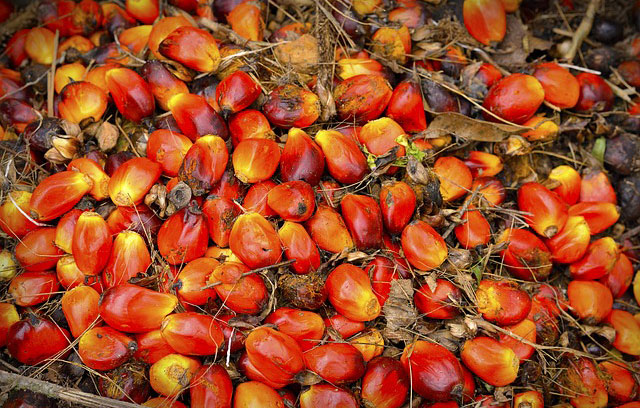
Global edible oil markets are moving again, and the palm oil price rise is drawing attention from traders and analysts worldwide. Geopolitical uncertainty, biodiesel policy shifts, and competing oil dynamics are all converging to push prices higher. As a result, market participants are closely watching each new session for fresh signals on direction.
Palm Oil Price Rise Continues, Driven by Competing Oils
According to Kenanga Futures analysts, the price increase was driven by rising prices of competing oils. Ongoing uncertainty over the prospects of negotiations to resolve the Iranian conflict has maintained stability in energy markets. However, the gains could be limited by expectations of increased domestic production during the peak season. Kenanga Futures forecast support at 4,465 ringgit per tonne and resistance at 4,580 ringgit per tonne.
Malaysian palm oil futures rose for the second consecutive session on Tuesday. They were supported by rising prices of competing edible oils and Indonesia’s biodiesel program. Nevertheless, expectations of increased production capped the gains.
Benchmark Contract Closes Higher After Volatile Session
The benchmark FCPO1 palm oil contract for July delivery on the Bursa Malaysia Derivatives Exchange closed at 4,561 ringgit (US$1,155.27) per metric tonne. That marks an increase of 63 ringgit, or 1.44%. Earlier in the session, the contract rose 2.45%, reaching its highest level in more than a week, before partially retreating.
According to a Kuala Lumpur-based trader, the contract’s gains were supported by stronger prices for competing Dalian oils. Market participants anticipated potential peace talks between the US and Iran. Furthermore, they tracked progress in Indonesian road tests in preparation for increasing the palm oil content of biodiesel.
The most active Dalian soybean oil contract rose 1.90%, while the palm oil contract rose 3.33%. Additionally, soybean oil prices on the Chicago Mercantile Exchange rose 0.62%. Palm oil prices are tracking the price movements of competing edible oils as they compete for share in the global vegetable oil market.
Indonesia’s Biodiesel Policy and BMI Forecast Shape Outlook
Indonesia, the world’s largest palm oil exporter, plans to increase the mandatory share of palm oil-based fuel in biodiesel to 50% from the current 40%, effective July 1. Consequently, this will likely reduce exports of this vegetable oil. On Tuesday, Indonesia conducted road tests of the increased share and stated that it is on track with the implementation plan.
Meanwhile, BMI, in its report on Tuesday, said it is maintaining its annual palm oil price forecast for this year at 4,300 ringgit per tonne. Moreover, the short-term price is expected to be largely determined by the development of the conflict in the Middle East.
“We expect Bursa Malaysia palm oil prices for next month delivery to decline from current levels to RM4,200/tonne during the second quarter of 2026 under our conflict baseline scenario as the ceasefire holds, energy prices decline and seasonal production in Malaysia and Indonesia increases,” the report said.
Therefore, while the current palm oil price rise reflects strong short-term momentum, analysts suggest that seasonal production growth and easing geopolitical tensions could moderate prices in the months ahead.
Source: Ukragroconsult (Ukraine)