

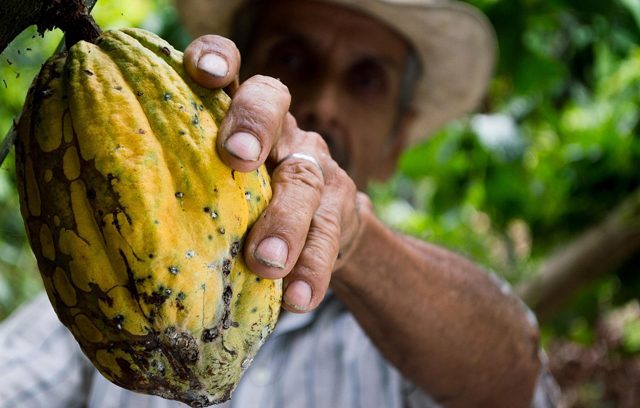
A growing concern about insufficient rainfall is now putting the Ivory Coast cocoa harvest at serious risk. The Ivory Coast cocoa rains deficit has become a central issue for farmers across Côte d’Ivoire during a critical period for crop development. Growers across the country are expressing alarm, warning that without adequate moisture, plantations may fail to deliver the expected results before the end of May.
Farmers Warn: Rainfall Below Average Across Key Growing Regions
Last week, cocoa producers in most regions of the country reported below-average rainfall. They fear, moreover, that prolonged dry periods could negatively impact the harvest between March and August. In particular, the quality of the beans is at risk of significant deterioration under these conditions.
Côte d’Ivoire is, indeed, the world’s leading cocoa producer. The country has already entered the rainy season, which typically lasts from April to mid-November. However, actual rainfall has not yet met seasonal standards. Consequently, concern is spreading among farmers across the entire country.
Farmers also note that some cocoa beans fell from the trees during the harvest. At the same time, they remain cautiously optimistic. They hope that the large pods still on the trees will ensure a sufficient harvest in May and June, provided weather conditions improve soon.
Ivory Coast Cocoa Rains: Temperature and Regional Impact
In various regions — including Soubre, Agbovilly, Devo, Abengourou, and Daloa — growers are reporting an urgent need for abundant rainfall to overcome the prolonged heat. They report that temperatures last week ranged from 29 to 33 degrees Celsius. Furthermore, this heat, coupled with the continuing lack of moisture, poses additional risks to crop maturation.
The period leading up to the end of May is, therefore, critical for a quality harvest. Farmers emphasize that the combination of high temperatures and reduced precipitation is particularly damaging at this stage. As a result, the outlook for the mid-season crop remains uncertain unless conditions change rapidly. The situation is a clear reminder of how weather variability directly affects agricultural products and the global supply chains that depend on them.
Source: Ukragroconsult (Ukraine)