

Source: Ukragroconsult (Ukraine)
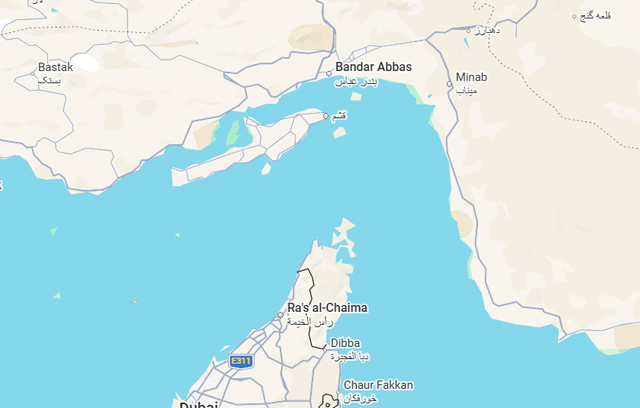
The worsening situation in the Strait of Hormuz goes beyond rising freight and insurance costs and is significantly changing the behavior of global grain market participants. According to Koray Tüysüzoğlu, CEO of Erser Group, the main factor is not product shortages, but rather the uncertainty of costs and risks, which is influencing trading decisions.
The traditional “buy low and hold” strategy is gradually losing its relevance. It is being replaced by a more cautious approach—avoiding risky positions, reducing transaction volumes, and switching to short-term, flexible contracts. At the same time, even rerouting individual vessels can trigger a chain reaction: port congestion, rising freight rates, and higher costs globally.
The crisis is also having a direct impact on agricultural production, especially in countries dependent on resource imports from the region. Turkey, in particular, faces the risk of rising prices for fertilizers, feed additives, and fuel, which could lead to lower yields and higher livestock production costs.
If instability persists into the 2026 harvest season, experts predict several critical consequences: reduced yields due to limited access to fertilizers, inflation in livestock production due to more expensive feed, and a liquidity shortage due to rising logistics and input costs.
At the same time, the crisis also creates new opportunities. Thanks to its advantageous geographic location, Turkey can strengthen its role as a regional trade hub between the Black Sea, the Mediterranean, and the Middle East. However, to achieve this, the country must quickly adapt its infrastructure, logistics, and regulatory policies to new market conditions.