

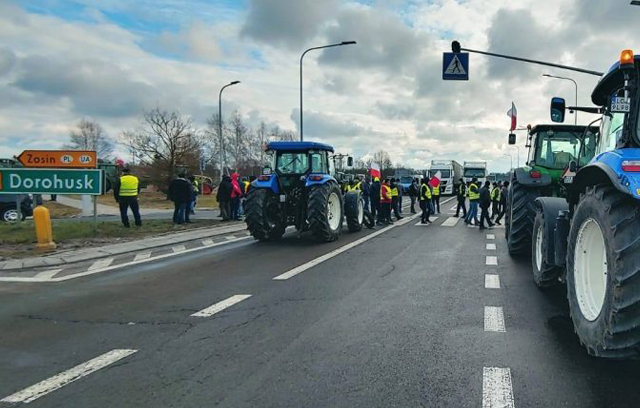
EU farm consolidation protests are growing louder across Europe. The ongoing shift of agricultural land into the hands of large corporations is raising serious concerns among farmers. Moreover, analysts warn that a new wave of unrest could be on the horizon. The Financial Times has reported on this trend, highlighting the deep tensions building within the European agricultural sector.
Copa-Cogeca Warns About EU Farm Consolidation Protests
On Monday, Copa-Cogeca — the European farmers’ union — stated clearly that the EU agricultural sector has been undermined. Specifically, high fertilizer and energy prices are driving this pressure. Furthermore, these costs stem directly from the conflict in Ukraine and the ongoing crisis in the Middle East. As a result, many smaller farming operations are finding it increasingly difficult to remain viable.
The Financial Times article captures the mood bluntly. It notes that EU farm consolidation protests are likely if small and medium farmers feel pushed out:
“This [consolidation of the agricultural sector—Ed.] will make it easier for the EU to compete with more industrialized producers, such as Brazil or Australia… But European farmers are unlikely to give up without ‘throwing some manure’ first.”
Large-Scale Players and the Economics of Scale
According to a senior executive at a company managing agricultural land in Spain — who spoke with the FT — consolidation is a natural process. Investors, he explained, simply place greater trust in large-scale players. Therefore, smaller operators face growing economic disadvantage.
“If you don’t have the necessary scale… it’s simply not profitable,” he observed.
Consequently, independent farmers across the EU are increasingly squeezed between rising input costs and stronger competition from industrial-scale producers. High fertilizer prices, in particular, remain a key grievance. Additionally, access to affordable energy continues to be a serious challenge for family-run farms.
The Mercosur Trade Deal and the Risk of New Farmer Protests
In 2024, a wave of mass protests by farmers swept across the European Union. That unrest was sparked by a free trade agreement with Mercosur — the South American trade bloc. European agricultural producers fear that Europe will be flooded with cheap imports. Moreover, these imports come from countries with less stringent sanitary and environmental standards. As a result, EU producers worry about unfair competition undermining years of regulatory investment.
Nevertheless, the consolidation trend continues. Therefore, the conditions that triggered the 2024 protests have not disappeared. On the contrary, many analysts argue they have intensified. Both high input costs and the Mercosur deal remain unresolved flashpoints. Consequently, the risk of renewed EU farm consolidation protests remains very real heading into the 2026–2027 agricultural season.
Source: Zerno On-Line (Russia)