

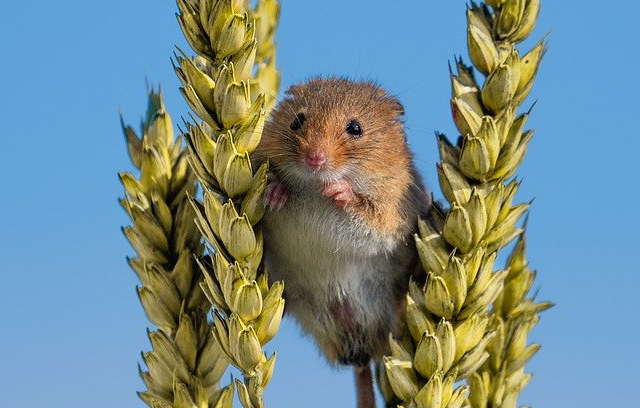
Australia mouse plague — one of the most severe agricultural crises in recent memory — is once again threatening the country’s grain supply. In 2026, the rodent outbreak has reached a scale not seen since 1993, alarming farmers, government officials, and food industry stakeholders alike. Furthermore, the crisis raises urgent questions about livestock feed security and Australia’s role as a global wheat exporter. Below, we break down the key facts, impacts, and government response.
Australia Mouse Plague 2026: Scale and Background
The Australian government stated on Saturday that it is deeply concerned about the mouse plague. Officials confirmed they will continue to work with the industry to limit the rodents’ impact on food supplies, as Reuters reports.
“Obviously, we are concerned about the mouse situation, particularly in Western Australia,” Energy Minister Chris Bowen said in a televised address from Sydney.
Australia, the world’s fourth-largest wheat exporter, is currently experiencing its worst rodent problem since 1993. Additionally, mice have destroyed thousands of hectares of crops. As a result, the risk of a shortage of livestock feed has grown sharply, according to the country’s national science agency.
Wheat Belt Under Threat: Crop Losses and Farmer Warnings
Local media note that mice are a recurring problem in Australia’s grain-growing regions. Moreover, rodents have overrun farms across the wheat belt of Western Australia. Consequently, this situation prompted grain growers in April to warn of significant crop losses. In addition, farmers called for unrestricted access to more potent mouse poisons.
Key concerns raised by grain growers include:
- Widespread crop destruction across thousands of hectares
- A growing risk of shortage of animal feed for livestock
- The need for stronger and more accessible rodent control measures
- Potential disruption to both domestic and international food supplies
These concerns are serious. Indeed, they highlight how deeply the plague has penetrated Australia’s primary production regions.
Government Response to the Rodent Crisis
The country’s Energy Minister stated that the center-left government continues to work diligently with the industry. Therefore, its goal is to mitigate the plague’s impact on both domestic and international food supplies. Furthermore, the Australia mouse plague has already become a major challenge for the country’s agricultural sector, as well as for its industry and government.
As a result, all stakeholders are under pressure to act quickly. In conclusion, the 2026 outbreak represents one of the most serious threats to Australia’s agricultural output in over three decades.
Source: Zerno On-Line (Russia)