

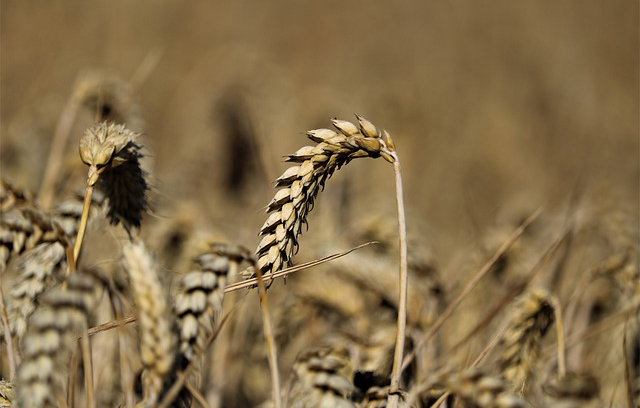
Source: Ukragroconsult (Ukraine)
Pakistan wheat shortage 2026 risks are serious this year, threatening the country’s food security amid regional tensions and the war with Afghanistan. Moreover, according to the U.S. Department of Agriculture (USDA), Pakistan’s wheat production could decline by 2–2.2 million tons compared to last year.
Pakistan Wheat Shortage 2026: Production Decline and Dietary Impact
This has caused concern among policymakers, as flour remains a staple food for the majority of the population. Furthermore, bread, naan, roti, and other wheat products form the basis of the daily diet for millions of Pakistanis.
The situation is exacerbated by the fact that the country actively exports rice and corn. Meanwhile, domestic consumption is heavily dependent on wheat. Consequently, a production decline of more than 2 million tons could significantly worsen food security.
Drought, Policy Delays, and Price Surge
The main reason for the harvest decline is the prolonged drought, especially in rain-dependent areas. Additionally, due to insufficient rainfall, the area under wheat cultivation decreased from 10.37 million hectares in 2025-26 to 9.1 million hectares. Furthermore, the government delayed the announcement of wholesale wheat prices, forcing many farmers to postpone sowing.
Rising flour prices also reflect the reduced production. By the end of February 2026, a 10-kilogram bag of flour cost between 890 and 1,500 Pakistani rupees. Meanwhile, premium grades are sold at even higher prices. Therefore, this is pushing a portion of the population into poverty and limiting access to basic foodstuffs.
Geopolitical Tensions and Water Conflicts
Further exacerbating the situation are tensions over water use related to the Hindu Water Agreement and border conflicts with Afghanistan. The combination of drought, geopolitical risks, and water shortages makes Pakistan’s wheat crisis an increasingly threatening situation for millions of citizens.