


Source: Ukragroconsult (Ukraine)
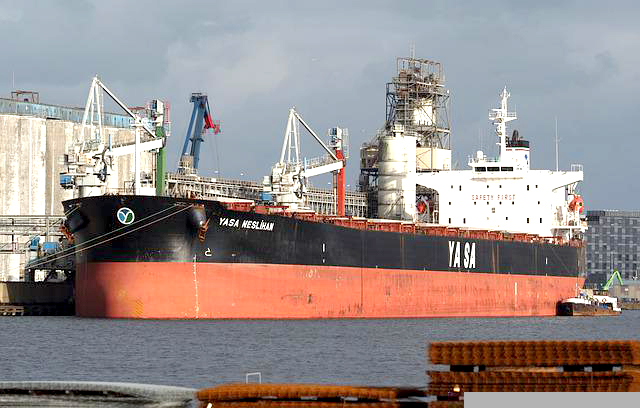
Argentina grain export strike action began on February 18 as maritime workers from the Federation of Maritime Workers (FESIMAF) started a 48-hour walkout. Moreover, this effectively halted grain exports at key ports. The strike is affecting cargo loading and unloading, pilot transfers, and other port services, particularly in the Rosario port area, one of the country’s main logistics hubs.
Argentina Grain Export Strike: Global Impact and Union Actions
Argentina is one of the world’s leading grain suppliers and the largest exporter of soybean oil and meal. Consequently, such disruptions have a significant impact on global agricultural markets. According to Gustavo Idigoros, head of the CIARA-CEC Grain Exporters Chamber of Commerce, the strike “effectively paralyzes agricultural exports” and has political undertones.
In addition, the oilseed processors’ union SOEA announced a 24-hour strike on February 19. Furthermore, this further exacerbates the situation in the sector. Experts note that the simultaneous restriction of port and processing plant operations creates serious logistical difficulties for the export sector.
Record Harvest and Market Outlook
Despite the strikes, weather conditions in the Southern Hemisphere remain favorable. Additionally, Argentina’s wheat harvest is estimated to have reached a record level, up 50% from the previous year and 26% above the previous record set in 2022. Therefore, this potentially ensures high export supply once the strikes are over.
Analysts note that prolonged disruptions could lead to temporary shortages in global soybean oil and grain markets. Meanwhile, this could put pressure on prices, especially for supplies to the Middle East and Southeast Asia.